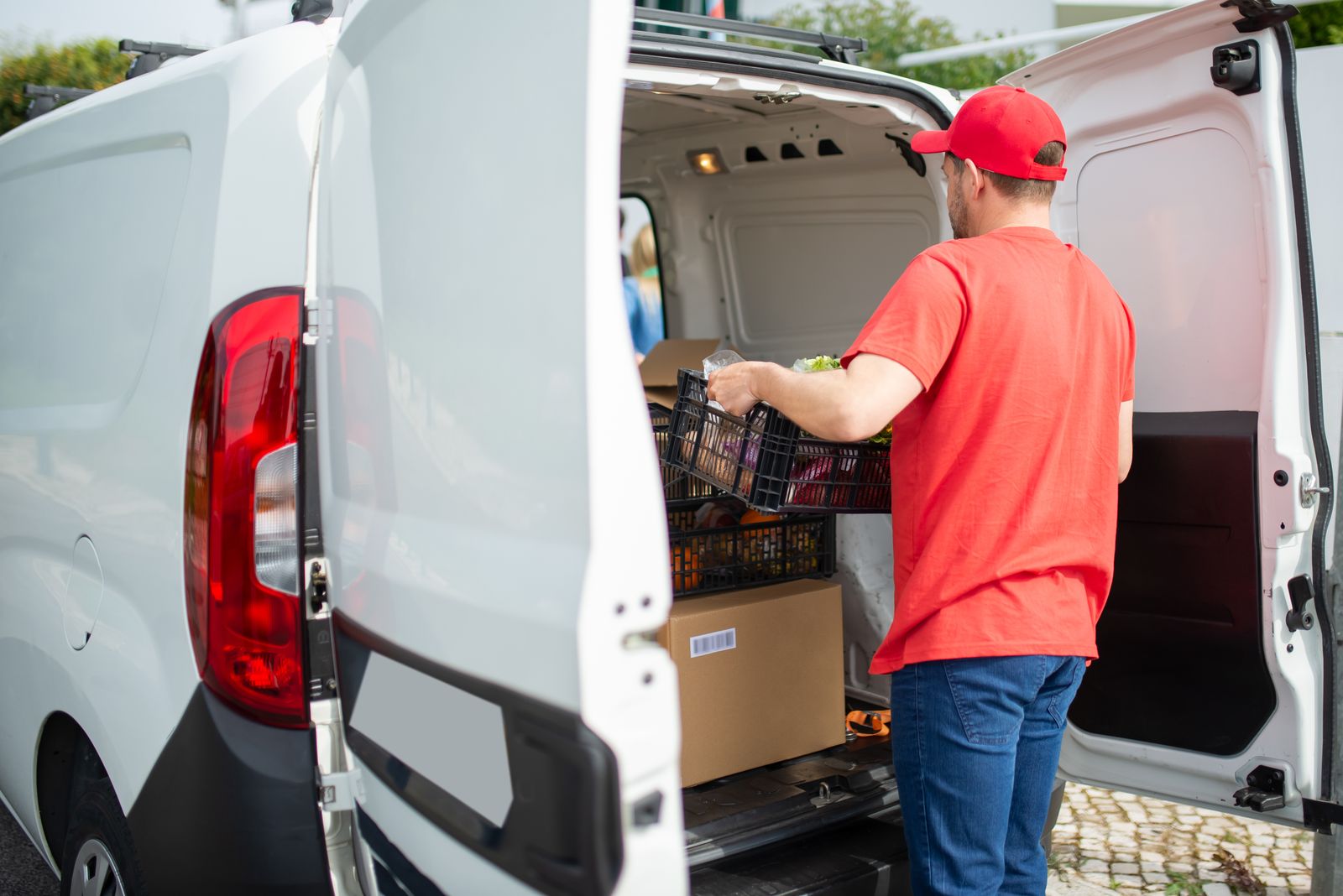
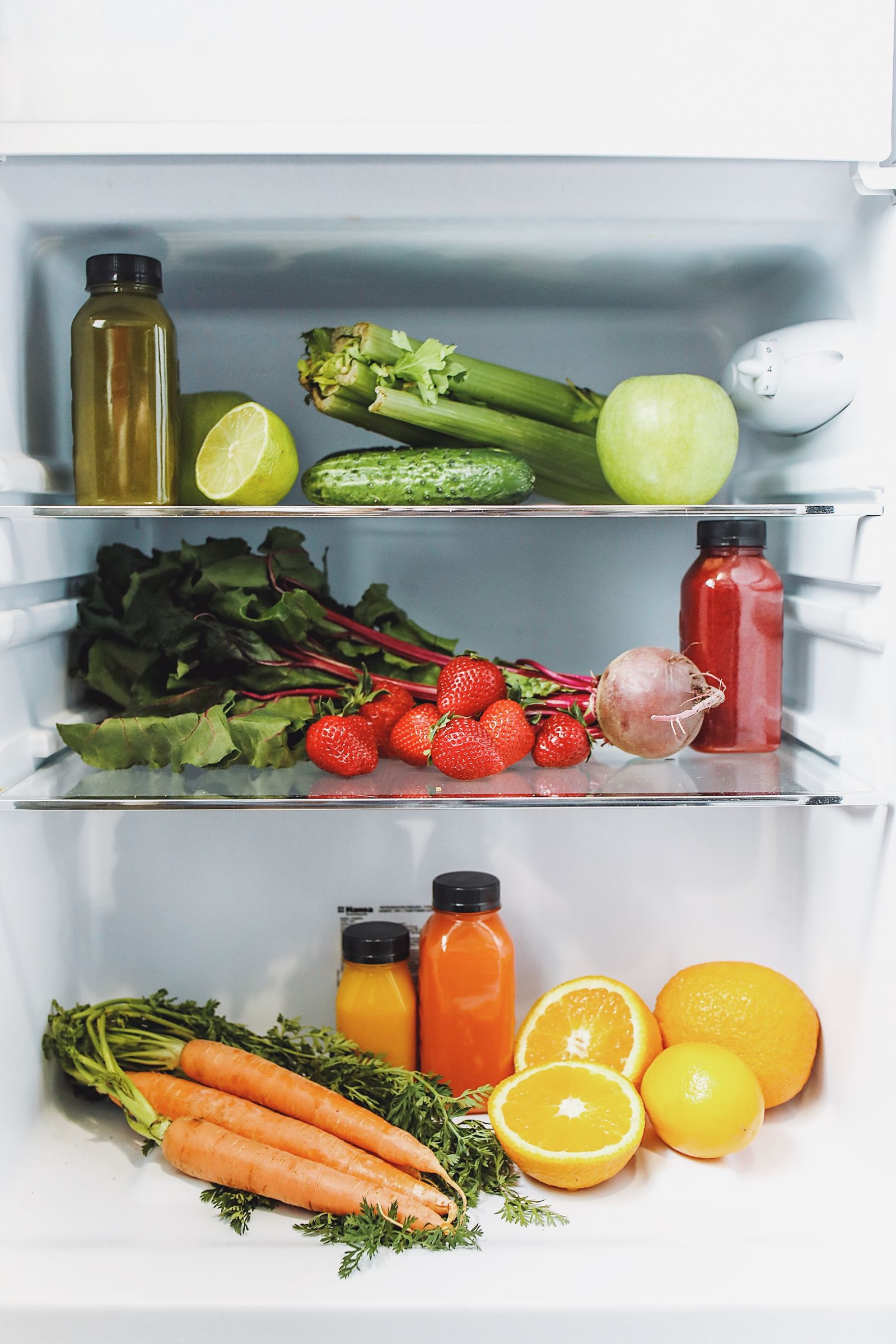
Every morning our volunteers collect what shops and market stalls cannot sell: bent carrots, bruised apples, yesterday’s loaves, the last box of tomatoes. By one o’clock it is lunch. By five, whatever is left is in the community fridge for anyone to take home.
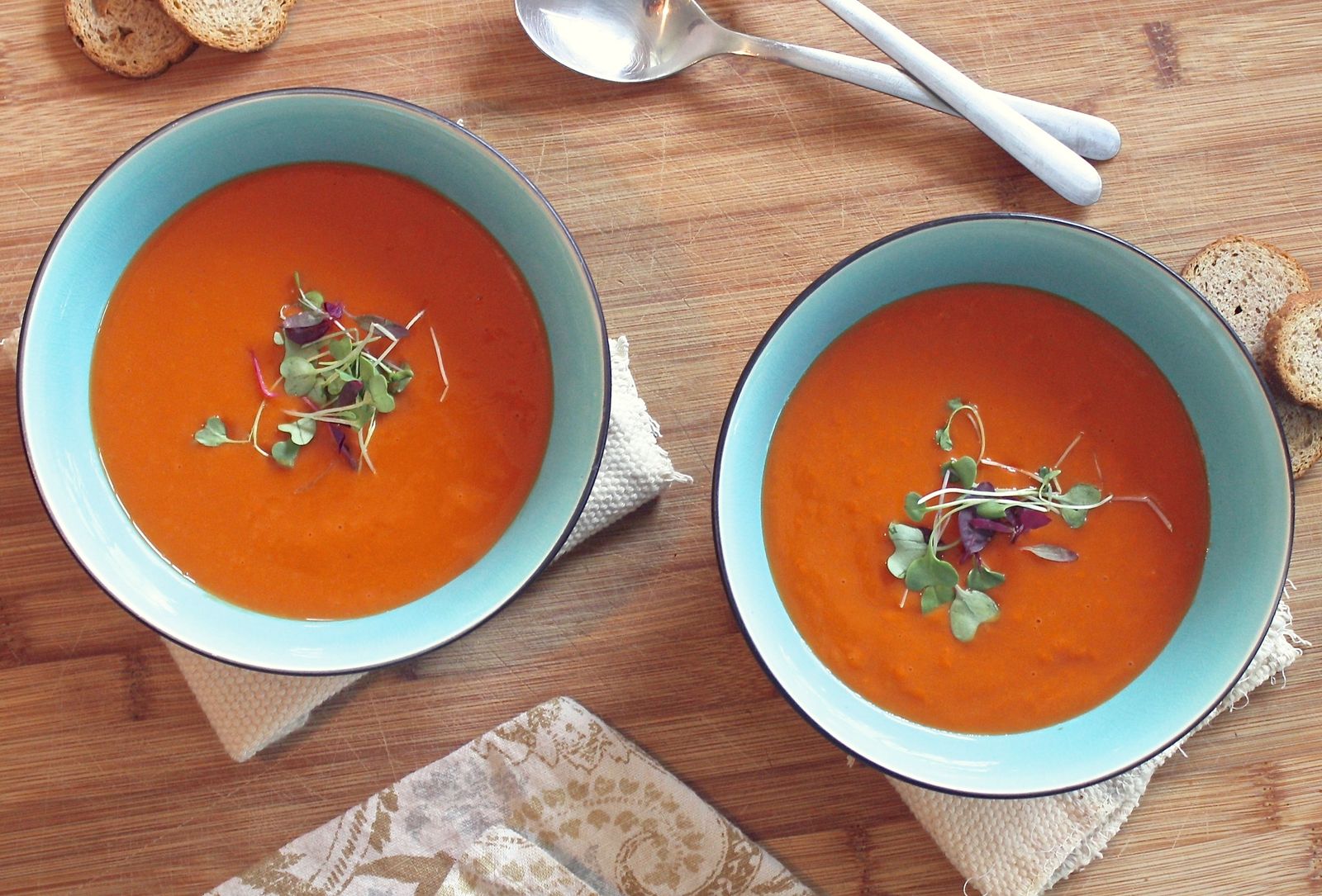
Wonky carrots make gorgeous soup.
SAVED FROM THE BIN, SERVED WITH A GRIN
See today’s menuHow rescue worksSmall kitchen. Big appetite.
A YEAR IN THE POT
Illustrative figures for a fictional community kitchen, showing how a real one might share its year at a glance.
Of surplus food rescued from shops, farms and market stalls.
38t
Lunches served at the long table, pay as you feel.
21,400
Bags filled from the community fridge by neighbours.
1,260
Volunteers on the rota, from drivers to washers-up.
140
FOUR WAYS IN
Eat lunch
Rescue food
Use the fridge
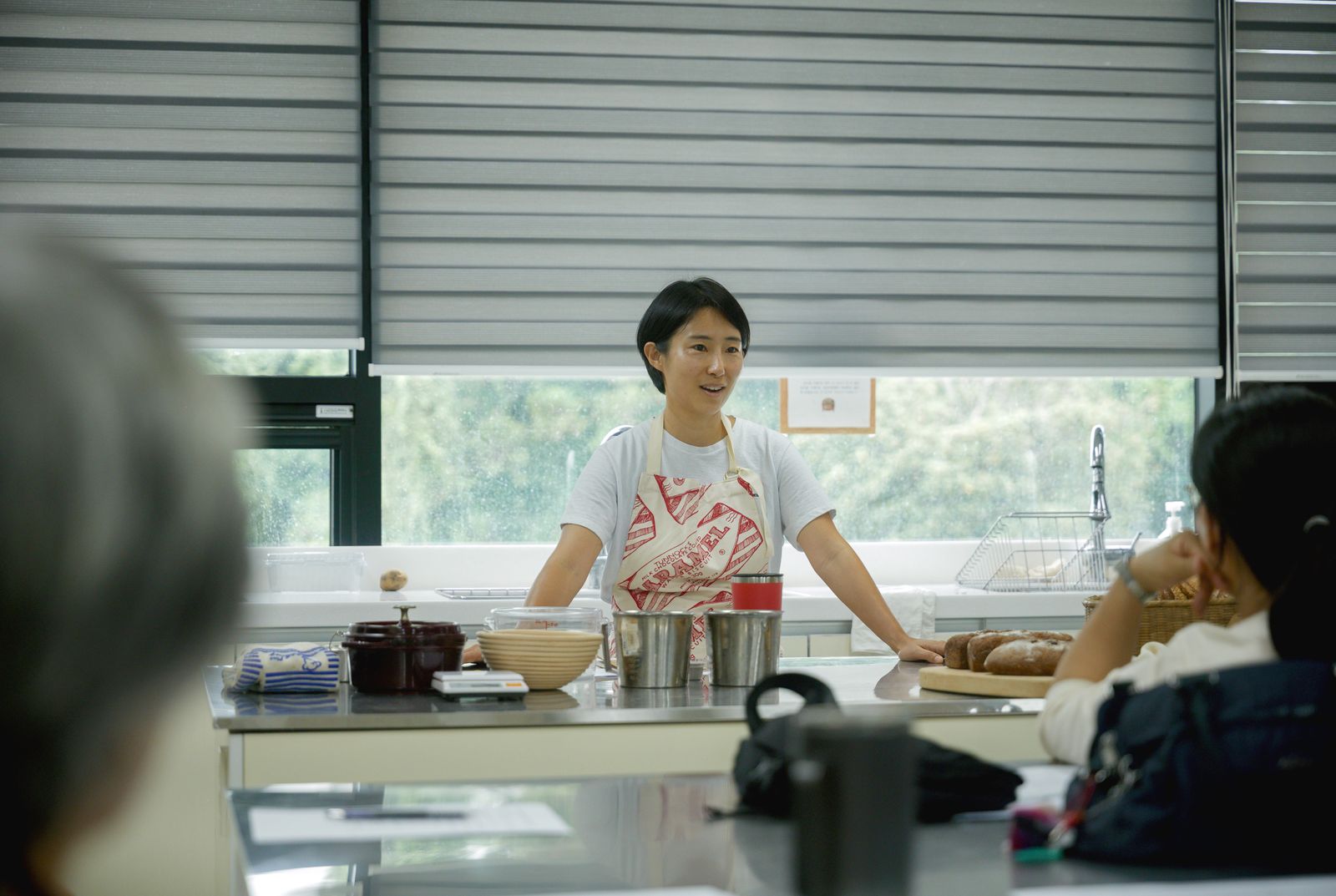
Learn to cook
No forms, no means test, no awkward questions at the door. Everyone eats at the same long table and pays what they can: a fiver, a pound, an hour at the sink or nothing at all. Below, a few regulars, as fictional as the kitchen, on what lunch means to them.
Saved from the bin. Served with a grin.
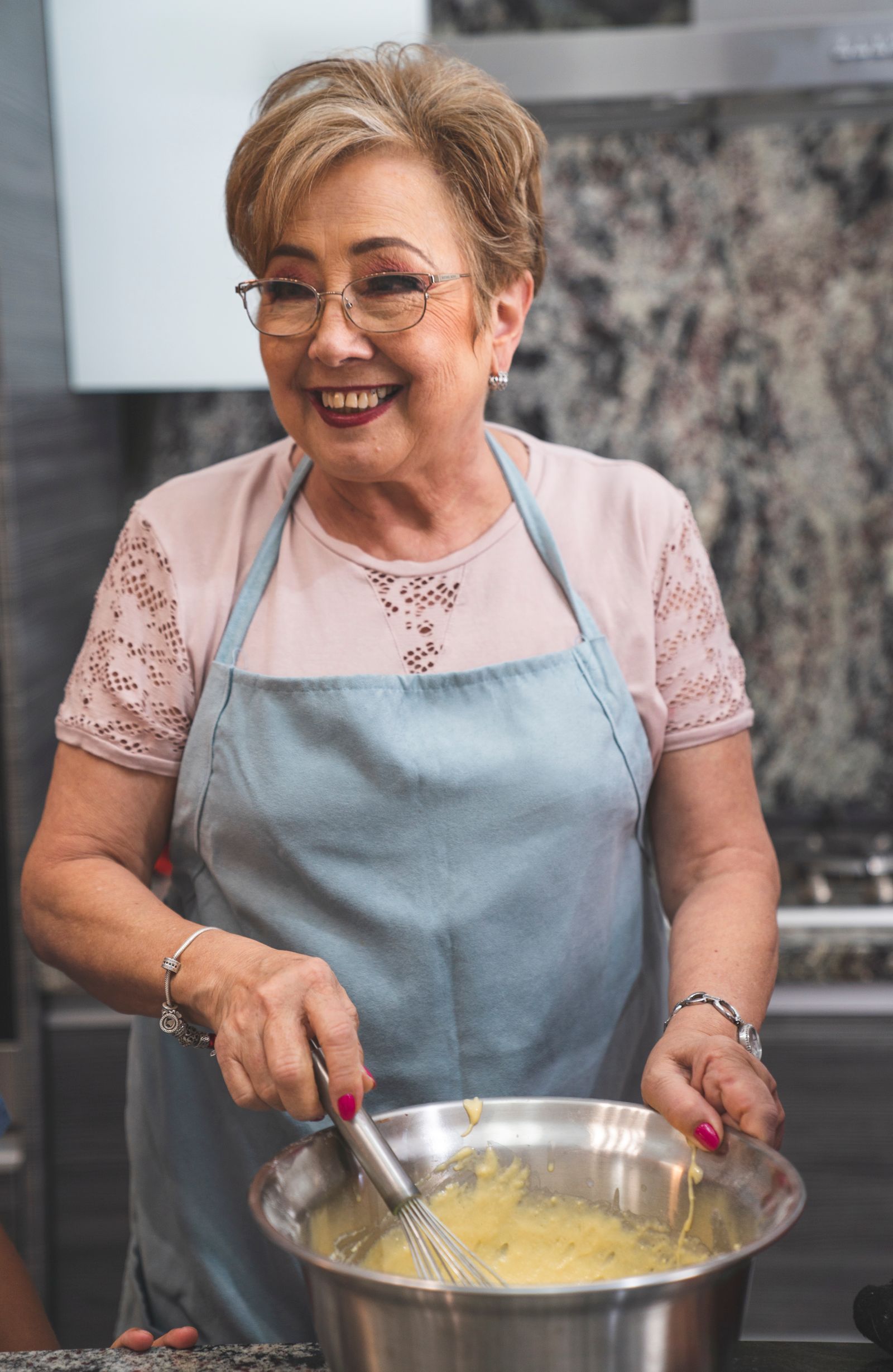
Pull up a chairVolunteer with usMarguerite · Volunteer cook
“I came in for soup on a Tuesday and stayed to peel potatoes. That was three years ago. I am still peeling.”
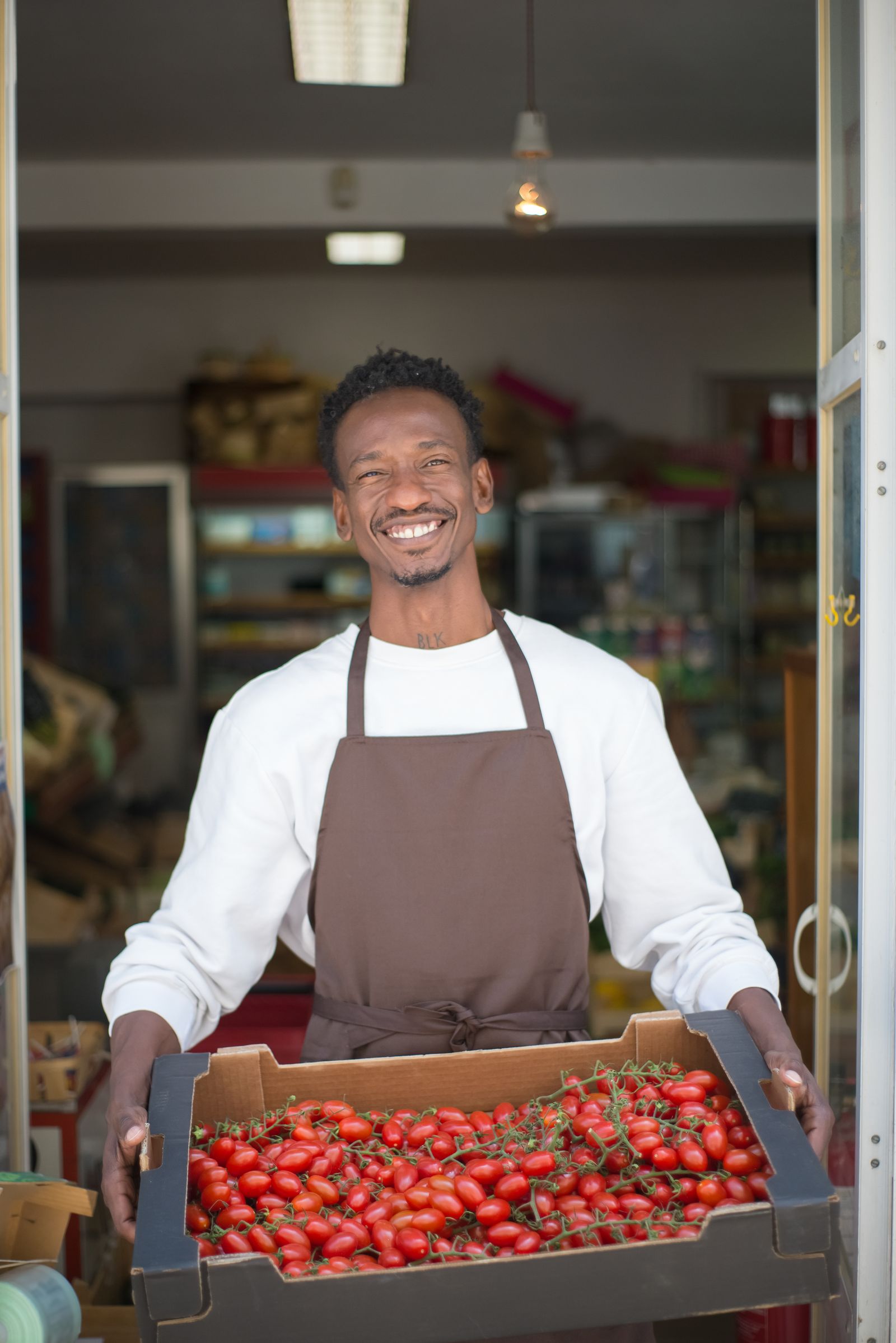
Kwame · Greengrocer and partner
“At closing time I used to bin a crate like this. Now the van picks it up and I eat it for lunch the next day.”
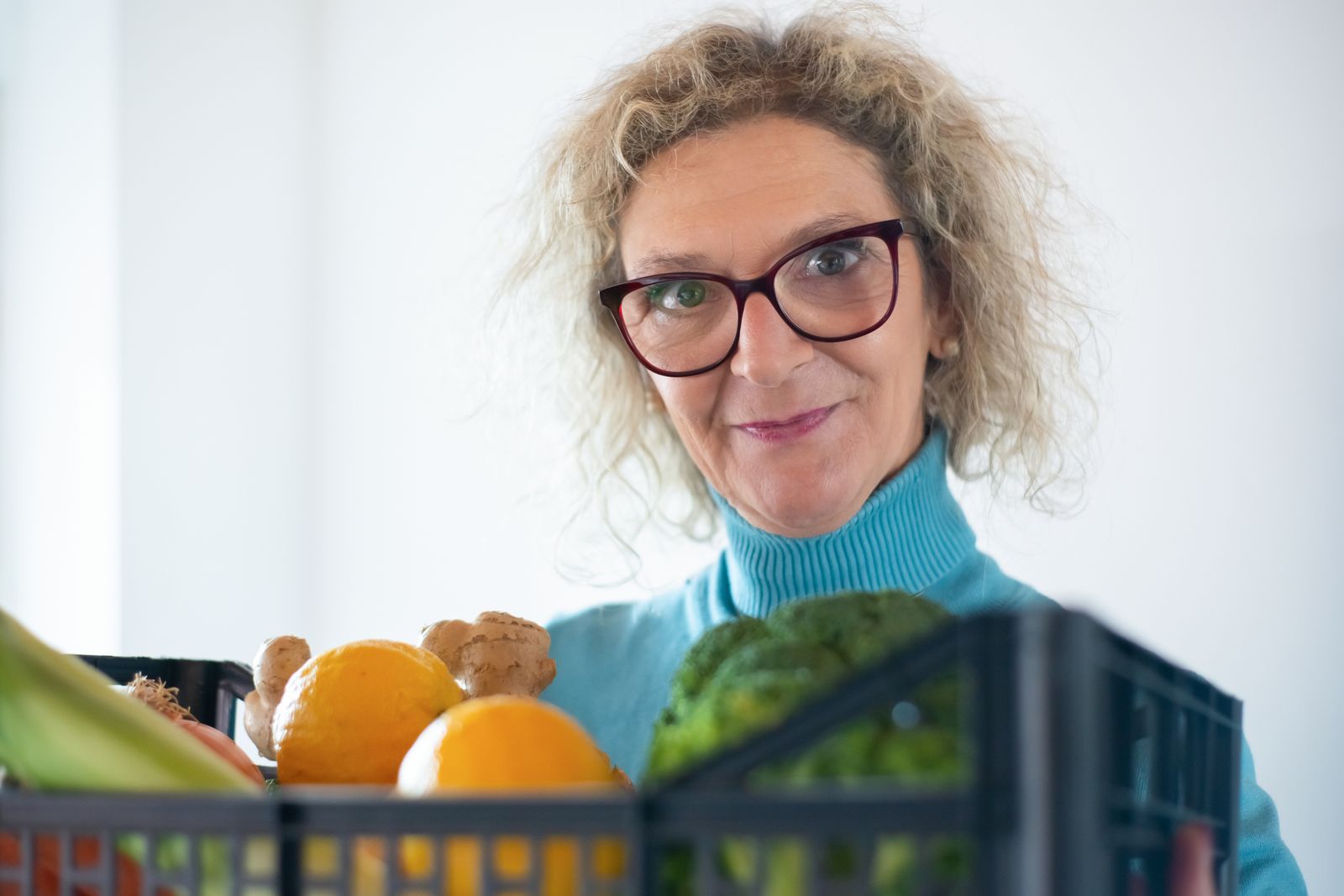
Hannah · Sorting volunteer
“I sort the fruit on Wednesdays. Bruised apples go to the crumble pile, and I make sure the crumble pile is generous.”
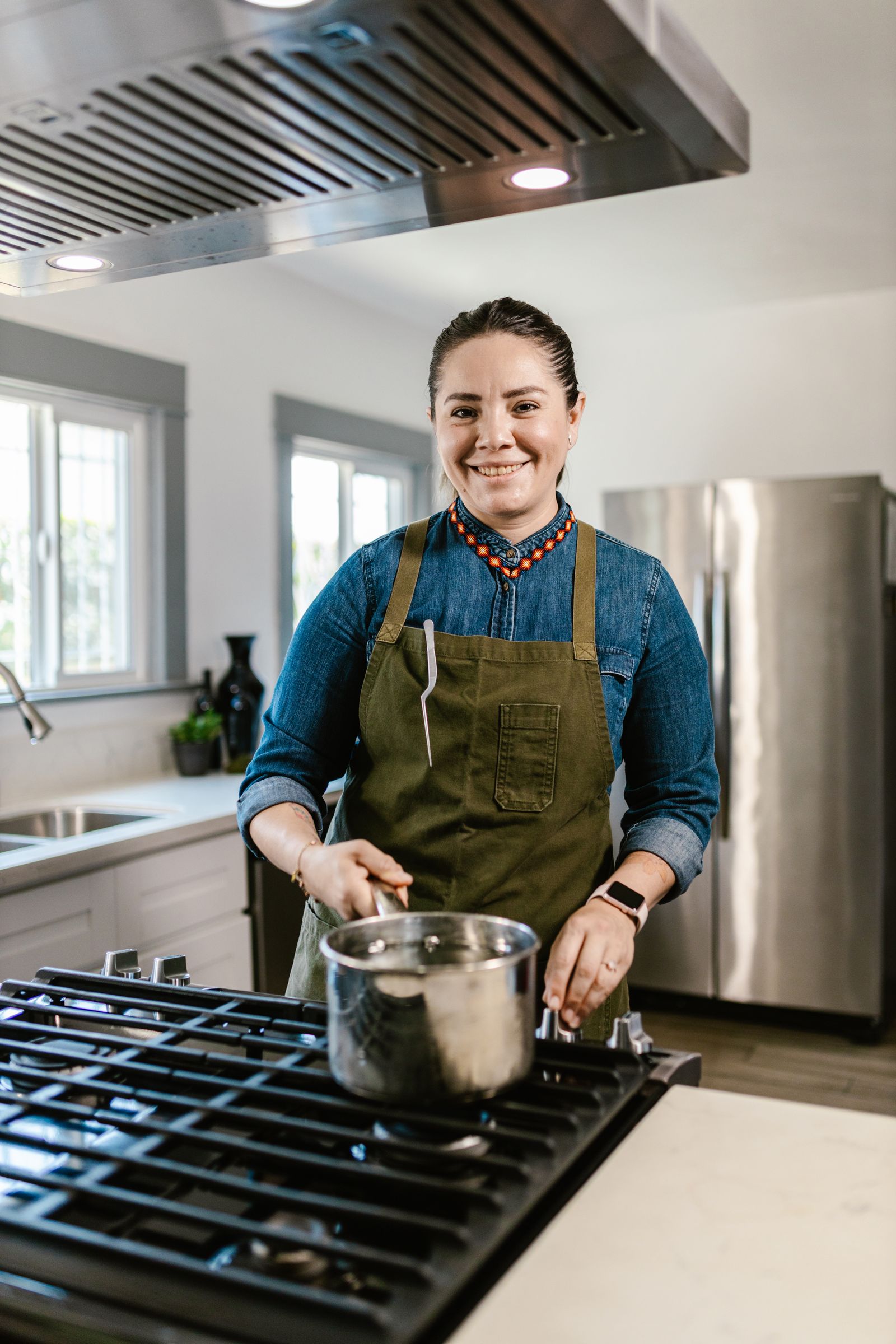
Priya · Head cook
“Every morning I have no idea what is for lunch until the van comes back. Best job in the world.”
One cheerful email a month: what we rescued, what we cooked, which classes have spaces and which shop saved us forty cabbages.
One email a month, unsubscribe any time. This sample form belongs to a fictional community kitchen: please do not enter sensitive information.
The Leftovers
 Count me in